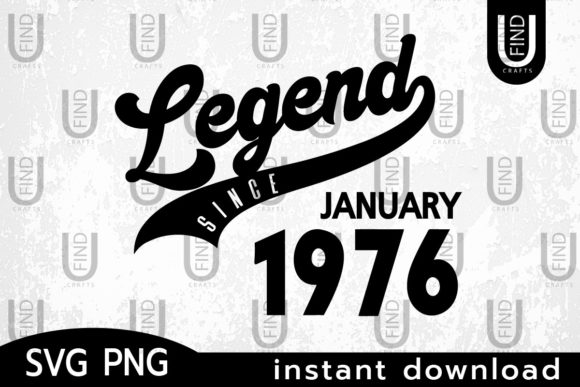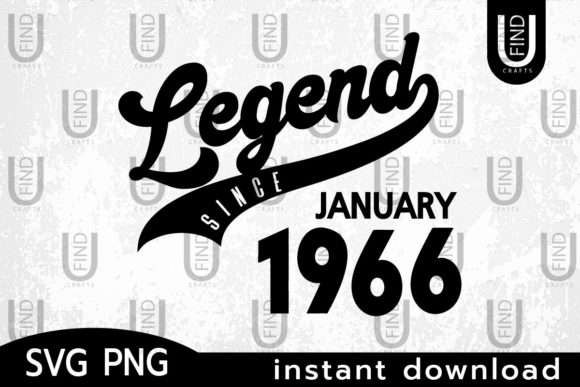
Vintage 1966, Legend Since January 1966
As a designer who’s worked with countless embroidery files over the years, I always approach new designs with a mix of curiosity and practicality. Vintage 1966, Legend Since January 1966 is one such design that caught my eye for its nostalgic charm and potential in real-world projects. Let’s break down what this file offers—and where it might fall short—based on actual use cases.
The First Impression: A Nostalgic Design with Character
From the moment I opened the SVG and PNG files, I was struck by the design’s vintage aesthetic. The typography feels like it belongs in a retro diner or a classic car ad. It has a clean yet aged look that could work well for a variety of handmade products. The layout is straightforward, with a central phrase that’s easy to read and visually balanced. There’s a sense of history in the design, which makes it ideal for projects that aim to evoke nostalgia or timelessness.
The detail level is moderate, not overly complex but still rich enough to stand out on fabric. This makes it a good candidate for machine embroidery design, especially for items like tote bags, sweatshirts, or baby clothes where simplicity and clarity are key.
Real-Life Embroidery Scenarios: Where It Shines
I tested the design on a few different fabrics to see how it would perform in real projects. On a cotton tote bag, it looked great—clean, readable, and perfectly sized. For custom apparel, like a sweatshirt or t-shirt, the design translates well without looking cramped or too large. It also works nicely as an embroidered patch, where the details can be clearly seen even at smaller sizes.
For baby items, like onesies or blankets, the design adds a personal touch without being too bold. It’s subtle enough for everyday use but still distinctive. As a holiday embroidery piece, it could be used on pillow covers, tea towels, or even as part of a wedding gift. The retro vibe pairs well with rustic or farmhouse-themed decor.
In commercial embroidery projects, this design could serve as a staple for small shop products, Etsy listings, or boutique branding. Its simplicity makes it versatile, and its visual appeal could help attract customers looking for something unique but not overly complicated.
Where to Be Cautious: Limitations and Considerations
While the design is generally user-friendly, there are a few areas where it might not perform as well. On small hoop sizes, the design could feel too large or require multiple hooping sessions, which can be time-consuming. If you’re working with textured fabrics, like denim or canvas, the stitch density might need adjustment to prevent puckering or distortion.
Thin or stretchy fabrics could also pose challenges. The design may not hold up well on materials that tend to shift during stitching. Dark fabrics might require a contrasting thread color to ensure visibility, and layered garments could complicate the placement of the design.
Curved surfaces, like caps or hats, may require some tweaking to ensure the design sits correctly. Tiny lettering or intricate corners might not come through as clearly as expected, so it’s worth testing on scrap fabric before committing to a final project.
Impact on Visual Appeal and Customer Perception
When it comes to visual appeal, Vintage 1966, Legend Since January 1966 has a strong presence. It adds a sense of authenticity to any product it’s applied to, which can enhance the perceived value of handmade products or personalized gifts. Customers often respond positively to vintage-style designs, especially when they’re used in meaningful ways, like for birthdays, anniversaries, or sentimental occasions.
Stitching clarity is another important factor. The design holds up well in both satin stitch and fill stitch applications, making it suitable for a range of embroidery techniques. Proper stabilizer use is essential, especially on delicate or stretchy fabrics, to maintain the integrity of the design.
For small business owners and Etsy sellers, this design could be a valuable addition to their product lineup. It’s easy to market, fits well with many themes, and can be used across different product types. Its versatility helps maintain brand consistency while offering creative flexibility.
Practical Designer Notes: What to Check Before Using
Before using Vintage 1966, Legend Since January 1966 in your own projects, here are a few things to consider:
- Test on scrap fabric to see how the design looks in real conditions.
- Check thread color contrast against your chosen fabric to ensure visibility.
- Review stitch density to avoid issues with puckering or uneven stitching.
- Confirm hoop size to make sure the design fits comfortably in your machine.
- Inspect small details to ensure they translate well to fabric.
- Test in black and white mockups to see how the design appears without color.
- Compare light and dark fabric backgrounds to determine best use cases.
- Use proper stabilizer for delicate or stretchy materials.
- Verify licensing if you plan to sell finished items or digital products.
These steps can help ensure that your final product meets your expectations and those of your customers.
Final Thoughts: A Versatile Design for Nostalgic Projects
Vintage 1966, Legend Since January 1966 is a design that feels authentic and well-suited for a range of embroidery projects. Its clean lines, retro style, and moderate complexity make it a solid choice for custom apparel, baby items, holiday gifts, and more. While it has some limitations in specific scenarios, it’s generally reliable and adaptable.
If you’re looking for a design that adds character to your handmade products or digital design assets, this one is worth considering. Just remember to test it thoroughly and adjust as needed for your specific project and fabric type.